
 Español
  English

Establishment of the Monitoring Committee for the End-of-Life Ethics Agreement with the Spanish Ministry of Health
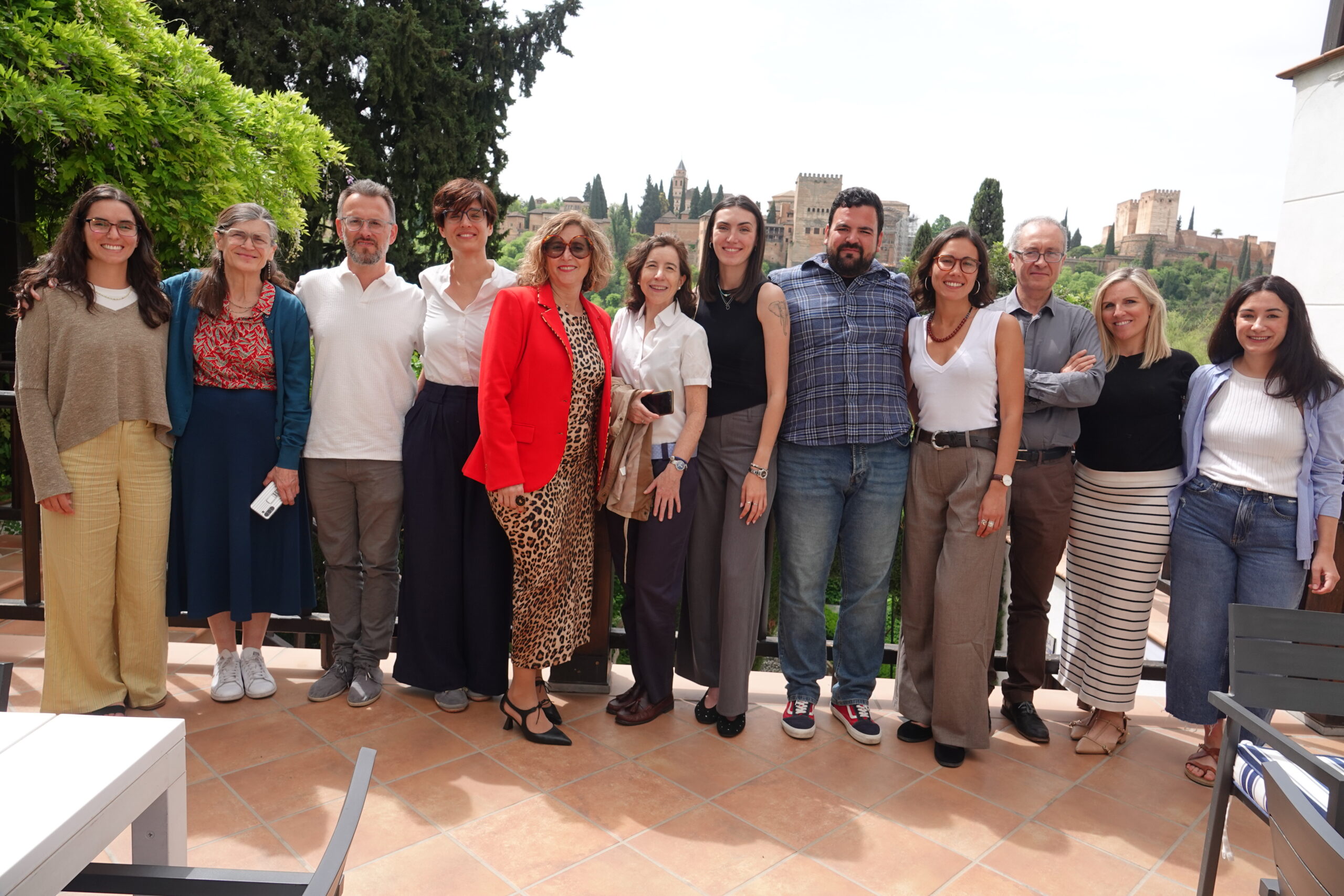
Following the Resolution of 24 March 2026 of the Directorate-General for Public Health and Health Equity, which published the collaboration agreement with the University of Granada for the development of activities within the framework of the ethical monitoring and evaluation of end-of-life care, the Monitoring Committee held its first meeting on 23 April at the Carmen de la Victoria. Representatives from both institutions attended the meeting.
The Ministry of Health was represented by Pilar Aparicio, Natalia Pérez Arango and María Fernández. Representing the Youngner Chair in Empirical Bioethics were its Director, David Rodríguez-Arias, Rosana Triviño and members of the research team.
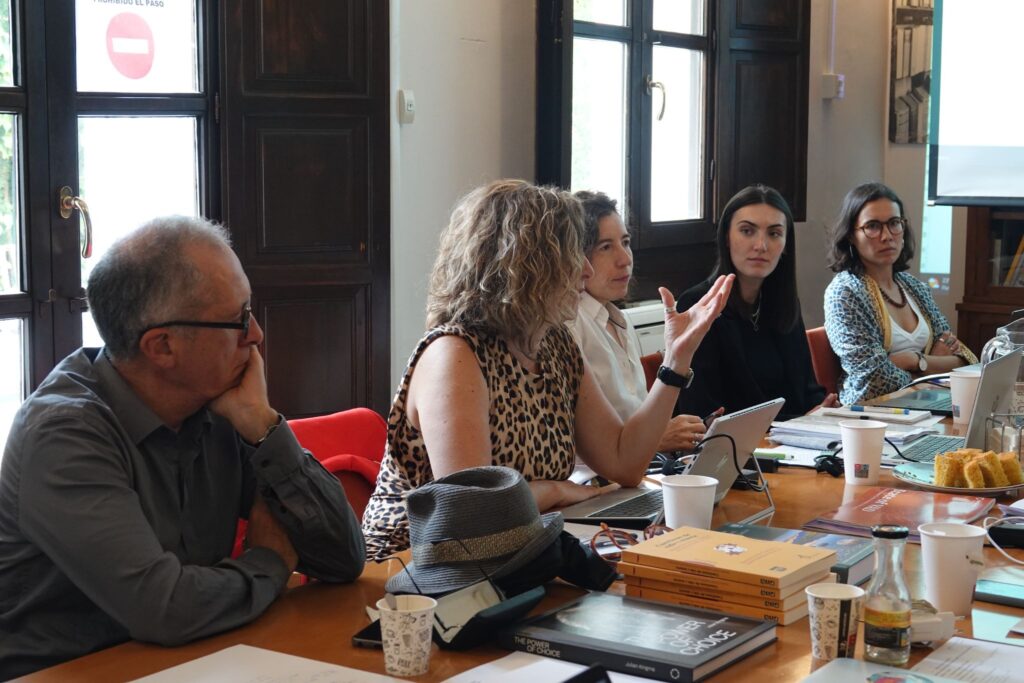
During the meeting, the Monitoring Committee was formally established, the development of the programme of activities was discussed in detail, and the actions to be carried out under the framework of the collaboration agreement were reviewed.
2025 Monitoring Report and Improvements to the Data System
During the meeting, particular attention was given to the current status of data collection by the autonomous communities for the 2025 annual report on Medical Assistance in Dying (MAiD). Discussions also marked the beginning of the harmonisation process with the Euthanasia Information Systems (Sistemas de Información sobre Eutanasia, SIE) used by the autonomous communities.
In addition, the methodology developed for the 2024 report—based on improvements to the system for recording and counting cases—will serve as the foundation for enhancing the overall quality and consistency of the data system.
Context and challenges of End-of-Life practices in Spain
The meeting also included a discussion on Spain’s position in the international context regarding euthanasia and other end-of-life practices. Spain records significantly lower rates of requests for Medical Assistance in Dying (MAiD) than neighbouring countries such as the Netherlands. Participants explored several possible explanations, including the tendency to offer additional therapeutic options, particularly for patients with advanced cancer, which may contribute to the relatively low number of requests in these cases. Other factors discussed included communication between physicians and patients regarding diagnosis, cultural attitudes towards death and dying, and the public’s limited awareness of their legal rights.
The Committee also agreed on the importance of using accurate terminology when communicating with the public. Euthanasia should not be presented as synonymous with end-of-life care, as it represents only one of several end-of-life practices and is not the most common. Consequently, the term end-of-life decision-making was considered the most appropriate for promoting public understanding and reducing misinformation.
Research and ongoing studies
The research team of the Youngner Chair in Empirical Bioethics presented the different research projects currently underway. One of these studies examines the knowledge and attitudes of the general population living in Spain towards end-of-life issues. Data will be collected using a mixed-methods approach, combining telephone interviews conducted through the services of Citere—a spin-off of the Faculty of Political Science and Sociology—with an online survey.
A second study, the first of its kind in Spain, follows the methodology of the Mortality Follow-Back Survey, previously implemented in the Netherlands and Belgium. It targets physicians responsible for signing death certificates, with the aim of providing a comprehensive understanding of end-of-life practices in Spain.